Sleep Disorder Diagnosis: Symptoms, Causes, Types & Home Sleep Study
Sleep disorders are among the most common yet underdiagnosed health conditions affecting people of all ages. They can interfere with your ability to fall asleep, stay asleep, or achieve restful, restorative sleep. While occasional sleep disturbances are normal, persistent sleep problems can impact your physical health, mental well-being, work performance, and overall quality of life.
If you regularly wake up feeling tired despite sleeping for several hours, snore loudly, stop breathing during sleep, or experience excessive daytime sleepiness, it may be a sign of an underlying sleep disorder that requires professional evaluation.
Early diagnosis and appropriate treatment can help improve sleep quality, reduce health risks, and restore daily energy levels.
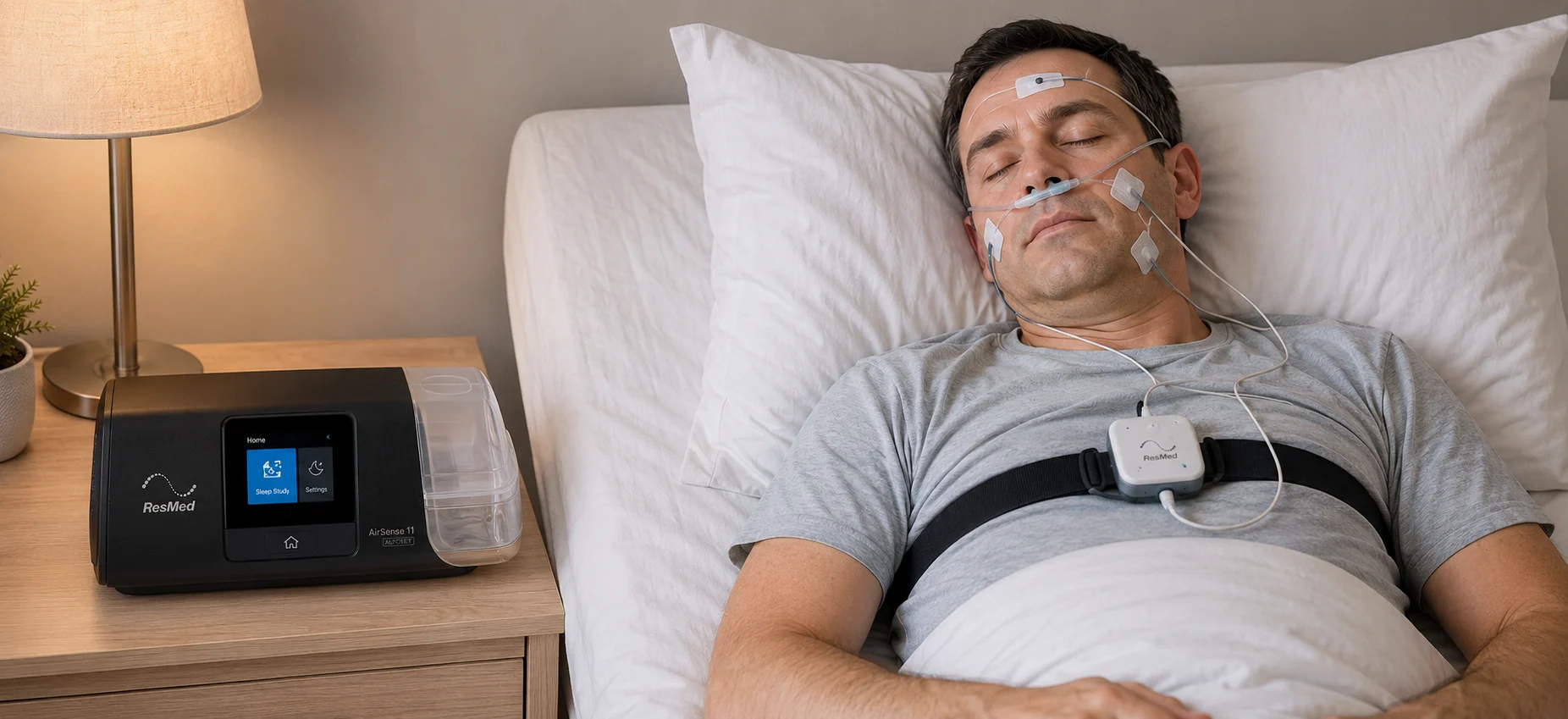
What is a Sleep Disorder?
A sleep disorder is a medical condition that affects the quality, timing, or duration of sleep. These conditions can disrupt your body's natural sleep cycle and prevent you from getting the restorative sleep needed for optimal health.
Sleep disorders may develop gradually and often go unnoticed for years. Many people assume that constant tiredness, loud snoring, or difficulty sleeping is simply part of a busy lifestyle, when in reality, these symptoms may indicate a treatable medical condition.
Without proper diagnosis, sleep disorders can contribute to serious long-term health complications.
Why Healthy Sleep Matters
Quality sleep plays an essential role in maintaining physical and mental health. During sleep, the body repairs tissues, strengthens the immune system, regulates hormones, consolidates memory, and supports cardiovascular health.
Poor sleep over an extended period may increase the risk of:
- High blood pressure
- Heart disease
- Stroke
- Type 2 diabetes
- Obesity
- Depression
- Anxiety
- Memory problems
- Reduced concentration
- Low productivity
- Increased accident risk
- Weakened immunity
Healthy sleep is just as important as a balanced diet and regular exercise.
Common Types of Sleep Disorders
Obstructive Sleep Apnea (OSA)
Obstructive Sleep Apnea occurs when the upper airway repeatedly becomes blocked during sleep, causing breathing interruptions and reduced oxygen levels.
Common symptoms include:
- Loud snoring
- Pauses in breathing during sleep
- Choking or gasping for air
- Morning headaches
- Dry mouth
- Excessive daytime sleepiness
- Poor concentration
- Fatigue
OSA is one of the most common sleep disorders worldwide and is associated with cardiovascular disease, hypertension, diabetes, and obesity.
Central Sleep Apnea
Central Sleep Apnea occurs when the brain temporarily fails to send proper signals to the muscles responsible for breathing.
Symptoms may include:
- Interrupted breathing
- Frequent nighttime awakenings
- Morning fatigue
- Difficulty maintaining sleep
Insomnia
Insomnia is characterized by difficulty falling asleep, staying asleep, or waking up too early.
People with insomnia often experience:
- Difficulty initiating sleep
- Frequent awakenings
- Unrefreshing sleep
- Daytime fatigue
- Mood changes
- Difficulty concentrating
Restless Legs Syndrome (RLS)
Restless Legs Syndrome causes an uncomfortable urge to move the legs, especially during periods of rest or at bedtime.
Symptoms include:
- Tingling sensations
- Crawling feeling
- Leg discomfort
- Difficulty falling asleep
Narcolepsy
Narcolepsy is a neurological disorder that causes excessive daytime sleepiness and sudden sleep attacks.
Additional symptoms may include:
- Sudden muscle weakness (cataplexy)
- Dream-like hallucinations during sleep transitions
- Sleep paralysis
Circadian Rhythm Sleep Disorders
These disorders occur when the body's internal biological clock becomes misaligned with the normal sleep-wake cycle.
Common causes include:
- Shift work
- Frequent travel
- Jet lag
- Irregular sleep schedules
Common Symptoms of Sleep Disorders
You should seek medical evaluation if you experience:
- Loud, chronic snoring
- Pauses in breathing during sleep
- Excessive daytime sleepiness
- Morning headaches
- Difficulty concentrating
- Poor memory
- Waking up gasping for air
- Frequent nighttime awakenings
- Unrefreshing sleep
- Irritability
- Constant fatigue despite adequate sleep
What Causes Sleep Disorders?
Sleep disorders can result from a variety of medical, lifestyle, and environmental factors.
Common causes include:
- Obesity
- Aging
- Stress and anxiety
- Depression
- Heart disease
- Diabetes
- Neurological disorders
- Thyroid disorders
- Smoking
- Alcohol consumption
- Certain medications
- Nasal obstruction
- Enlarged tonsils
- Family history
- Irregular sleep schedules
Often, multiple factors contribute to poor sleep quality.
Who is at Higher Risk?
Certain individuals are more likely to develop sleep disorders, including:
- Adults over 40 years
- People who are overweight or obese
- Individuals with hypertension
- People with diabetes
- Patients with heart disease
- Smokers
- Heavy alcohol users
- Shift workers
- Commercial drivers
- Pregnant women
- Postmenopausal women
- Individuals with a family history of sleep apnea
How Are Sleep Disorders Diagnosed?
Accurate diagnosis begins with a detailed evaluation of your symptoms and medical history. Depending on your condition, your healthcare provider may recommend a sleep study.
A sleep study records various body functions while you sleep, including:
- Breathing patterns
- Oxygen saturation
- Heart rate
- Snoring intensity
- Airflow
- Chest movement
- Body position
- Sleep duration
These findings help identify conditions such as obstructive sleep apnea and other sleep-related breathing disorders.
Can Sleep Disorders Be Diagnosed at Home?
Yes. Advances in sleep medicine now allow many sleep-related breathing disorders to be diagnosed through a Home Sleep Study (HST).
Home sleep testing enables patients to undergo overnight monitoring in their own beds using portable diagnostic equipment.
Benefits include:
- Comfortable home environment
- Convenient overnight testing
- No hospital admission
- Natural sleep patterns
- Reliable diagnostic data
- Doctor-guided evaluation
Home sleep studies are commonly recommended for patients with suspected obstructive sleep apnea.
What Happens if Sleep Disorders Are Left Untreated?
Ignoring chronic sleep problems may lead to serious health complications, including:
- Resistant hypertension
- Heart attack
- Stroke
- Cardiac arrhythmias
- Diabetes progression
- Weight gain
- Depression
- Poor work performance
- Reduced quality of life
- Increased risk of road accidents due to drowsy driving
Early diagnosis can significantly reduce these risks.
Treatment for Sleep Disorders
Treatment depends on the underlying cause and diagnosis. Common management options include:
- Lifestyle modifications
- Weight management
- Sleep hygiene improvements
- CPAP therapy for obstructive sleep apnea
- Positional therapy
- Oral appliances
- Medication (when appropriate)
- Treatment of underlying medical conditions
Your healthcare provider will recommend the most suitable treatment based on your sleep study results.
When Should You See a Sleep Specialist?
Consult a healthcare professional if you:
- Snore loudly every night
- Wake up choking or gasping
- Feel excessively sleepy during the day
- Have witnessed pauses in breathing during sleep
- Experience chronic insomnia
- Feel tired despite adequate sleep
- Have high blood pressure that is difficult to control
- Experience poor concentration or memory problems
Prompt evaluation can lead to earlier diagnosis and better health outcomes.
Home Sleep Study Services Across North India
Sleep disorders affect people across urban and rural communities, and access to convenient diagnostic services is becoming increasingly important. Home sleep studies are now available in many cities across North India, making it easier for patients to undergo testing without traveling to a sleep laboratory.
Home sleep diagnostic services are commonly available in:
Delhi NCR
- Delhi
- Noida
- Ghaziabad
- Gurugram
- Faridabad
U.P
- Lucknow
- Kanpur
- Agra
- Meerut
- Moradabad
Rajasthan
- Jaipur
- Ajmer
- Kota
- Udaipur
- Jodhpur
Rajasthan
- Panipat
- Karnal
- Sonipat
- Ambala
- Hisar
Punjab
- Ludhiana
- Jalandhar
- Amritsar
- Patiala
- Bathinda
Uttarakhand
- Dehradun
- Haridwar
- Roorkee
- Haldwani
- Rudrapur
Why Choose Sleep Axis Health?
At Sleep Axis Health, we are committed to making sleep disorder diagnosis simple, accurate, and accessible through advanced home sleep testing solutions. We provide doctor-guided home sleep study services and sleep diagnostic device rental for patients across Delhi, Noida, Greater Noida, Ghaziabad, Gurugram, Faridabad, Jaipur, Lucknow, Kanpur, Agra, Mathura, Meerut, Moradabad, Chandigarh, Mohali, Panchkula, Dehradun, Haridwar, Roorkee, Panipat, Karnal, Sonipat, Ambala, Ludhiana, Jalandhar, Amritsar, and many other cities across North India.
Our portable sleep monitoring devices allow patients to complete overnight testing in the comfort of their own homes while collecting clinically valuable data such as breathing patterns, oxygen levels, heart rate, airflow, snoring events, and respiratory disturbances. The recorded data is analyzed by experienced sleep professionals, and a detailed report is prepared to assist your treating physician in making an accurate diagnosis.
Whether you have symptoms of obstructive sleep apnea, persistent snoring, excessive daytime sleepiness, or unexplained fatigue, Sleep Axis Health offers a convenient, patient-friendly solution for home sleep diagnostics.
Frequently Asked Questions (FAQs)
What is the most common sleep disorder?
Obstructive Sleep Apnea (OSA) is one of the most commonly diagnosed sleep disorders and is characterized by repeated pauses in breathing during sleep.
Can I do a sleep study at home?
Yes. Home sleep studies are widely used to diagnose suspected obstructive sleep apnea and other sleep-related breathing disorders.
Is loud snoring always a sign of sleep apnea?
Not always, but loud habitual snoring—especially when combined with breathing pauses or daytime sleepiness—should be evaluated by a healthcare professional.
How long does a home sleep study take?
Most home sleep studies are conducted overnight while you sleep normally in your own bed.
Which cities does Sleep Axis Health serve?
Sleep Axis Health provides home sleep study services across major North Indian cities including Delhi, Noida, Ghaziabad, Gurugram, Faridabad, Jaipur, Lucknow, Kanpur, Agra, Mathura, Meerut, Moradabad, Chandigarh, Dehradun, Haridwar, Panipat, Karnal, Ludhiana, Jalandhar, Amritsar, and surrounding regions.
Need Expert Help?
Book your consultation today.
Get Professional Guidance
Connect with our experienced specialists for accurate diagnosis and personalized treatment.