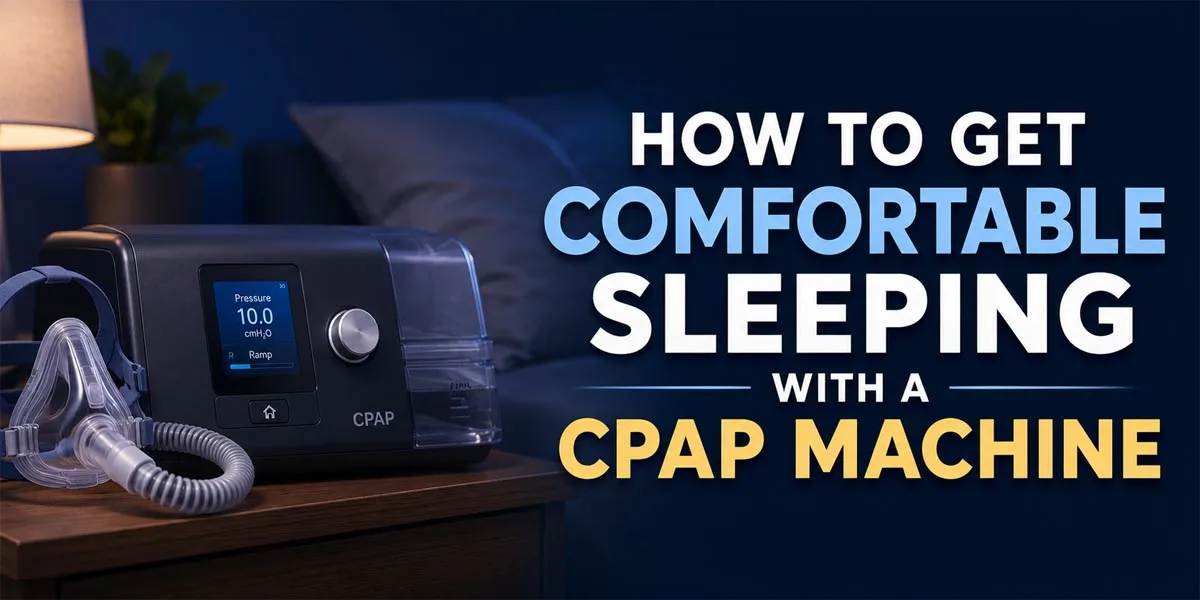
Understanding CPAP Therapy and Why Comfort Matters
A CPAP (Continuous Positive Airway Pressure) machine delivers a steady stream of air through a mask to keep your airway open during sleep. It prevents breathing interruptions, snoring, and oxygen drops.
However, discomfort is one of the most common reasons people stop using CPAP therapy. Issues like mask tightness, air leaks, dryness, or pressure intolerance can affect consistency. Since CPAP effectiveness depends on regular use, improving comfort is essential for long-term success.
Choose the Right CPAP Mask Type
One of the biggest comfort factors is the mask design. CPAP masks generally come in three types:
- Nasal masks (cover the nose)
- Nasal pillow masks (sit at nostril openings)
- Full-face masks (cover nose and mouth)
If you feel claustrophobic, a nasal pillow mask may feel lighter. If you breathe through your mouth at night, a full-face mask may be more suitable.
A properly fitted mask reduces air leakage, skin irritation, and pressure marks—making CPAP therapy significantly more comfortable.
Adjust the Mask Fit Gradually
Many users tighten their mask too much, thinking it will reduce leaks. In reality, over-tightening often causes discomfort and skin irritation.
Instead:
- Adjust straps while lying down
- Ensure a snug but not tight fit
- Re-check fit after starting airflow
A balanced fit improves both comfort and therapy effectiveness.
Use Humidification to Prevent Dryness
Dry mouth, sore throat, and nasal congestion are common early complaints. Most modern CPAP machines include a humidifier to add moisture to the air.
If dryness is an issue:
- Increase humidifier settings gradually
- Use heated tubing if available
- Stay hydrated during the day
Humidification is especially helpful in dry climates or air-conditioned rooms.
Practice Wearing Your CPAP During the Day
One of the easiest ways to build comfort is gradual exposure. Instead of using the CPAP for the first time only at night, try wearing it during the day while:
- Watching TV
- Reading
- Relaxing
This helps your brain adapt to the sensation of airflow and mask pressure without the pressure of falling asleep immediately.
Manage Air Pressure Settings Properly
Incorrect pressure settings can make CPAP therapy uncomfortable. If pressure feels too strong or too weak, do not adjust it on your own without guidance.
Many modern machines include:
- Ramp features (gradually increasing pressure)
- Auto-adjusting pressure (APAP mode)
These features help your body adapt more comfortably during sleep.
Keep Your CPAP Equipment Clean
Hygiene directly impacts comfort. A dirty mask or tubing can cause odors, irritation, or nasal infections.
Follow a simple routine:
- Clean mask daily with mild soap
- Wash tubing weekly
- Replace filters as recommended
Clean equipment ensures smoother airflow and better sleep quality.
Solve Common Discomfort Issues Early
Small issues can become reasons for discontinuing CPAP therapy if ignored. Here are quick fixes:
- Mask leaks: Refit or change cushion size
- Skin irritation: Use mask liners or silicone pads
- Claustrophobia: Try smaller mask styles
- Noise disturbance: Check tubing and machine placement
Early troubleshooting improves long-term comfort and compliance.
Create a Sleep-Friendly Routine
Your sleep environment plays a big role in CPAP comfort. Improve your routine by:
- Sleeping at consistent times
- Keeping the room dark and cool
- Avoiding caffeine before bed
- Sleeping on your side if possible
Good sleep hygiene enhances the benefits of CPAP therapy.
Be Patient with the Adjustment Phase
Adapting to CPAP therapy takes time. Most users require 1–3 weeks to feel fully comfortable. Consistency is more important than perfection.
Even if you use the machine for only a few hours initially, keep building usage gradually. Your body will adjust to the airflow and mask sensation over time.
If you are consistent, CPAP will not just improve your sleep—it can significantly enhance your overall health, energy levels, and quality of life.
Categories
Recent Posts

Book Your Sleep Study Today
Diagnose sleep disorders from the comfort of your home with our expert sleep study and CPAP rental services.
Book Now