
Why Quality Sleep Matters More Than You Think
In today’s fast-paced lifestyle, quality sleep is often overlooked, yet it is one of the most powerful pillars of good health. While people focus on diet and exercise, sleep health silently determines how well your body functions, how your brain performs, and even how long you live. Poor sleep is no longer just about feeling tired—it is linked to serious physical, mental, and metabolic issues.
Understanding the importance of quality sleep and improving your sleep hygiene can transform your energy levels, productivity, immunity, and overall well-being.
The True Importance of Quality Sleep
Sleep is not just “rest time” for the body. It is an active biological process where the brain and body repair, restore, and reset. During deep sleep, tissues repair themselves, hormones are regulated, and the immune system strengthens.
Good sleep health supports:
- Better concentration and memory
- Emotional balance and stress control
- Strong immunity
- Healthy weight regulation
- Improved heart and brain function
Without enough restorative sleep, even the best diet and fitness routine cannot deliver full benefits.
Understanding Sleep Cycles: REM and Deep Sleep
Sleep is divided into multiple stages, mainly REM (Rapid Eye Movement) and deep sleep. Each stage plays a critical role in maintaining overall health.
Deep sleep is the most restorative phase. During this time, the body repairs muscles, tissues, and strengthens immunity. Growth hormone is also released, which is essential for recovery and regeneration.
REM sleep, on the other hand, is crucial for brain function. It supports learning, memory consolidation, and emotional processing. This is the stage where most dreaming occurs.
A disruption in these cycles—often caused by stress, irregular sleep schedules, or sleep disorders like insomnia or sleep apnea—can significantly affect mental clarity and physical health.
What Happens When You Don’t Get Quality Sleep?
Chronic sleep deprivation can have serious short-term and long-term effects. Many people underestimate its impact, but lack of sleep affects almost every system in the body.
Common effects include:
- Daytime fatigue and low energy
- Poor concentration and reduced productivity
- Mood swings, anxiety, and irritability
- Weakened immune response
- Increased risk of obesity and diabetes
- Higher risk of cardiovascular problems
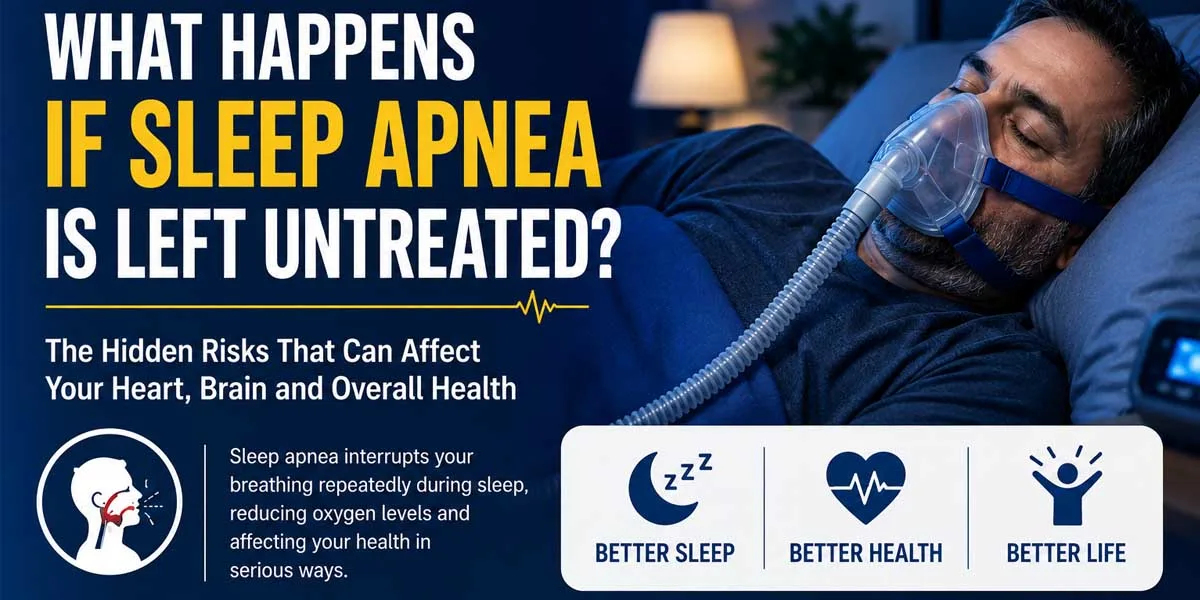
Over time, untreated sleep issues may lead to chronic conditions and significantly reduce quality of life. Disorders such as insomnia and obstructive sleep conditions like sleep apnea are major contributors to long-term sleep disruption.
Sleep Hygiene: Building Better Sleep Habits
Improving sleep hygiene is one of the most effective ways to enhance sleep quality naturally. It involves adopting habits that promote consistent and restorative sleep.
Here are some simple but powerful sleep hygiene practices:
- Maintain a fixed sleep and wake schedule
- Avoid screens at least 1 hour before bedtime
- Limit caffeine and heavy meals at night
- Keep your bedroom dark, quiet, and cool
- Engage in light relaxation techniques like deep breathing or meditation
- Get regular physical activity during the day
Consistency is key. Even small changes can significantly improve your sleep quality over time.
When Should You Be Concerned About Your Sleep?
Occasional sleepless nights are normal, but persistent issues may indicate an underlying sleep disorder. If you regularly experience difficulty falling asleep, staying asleep, or waking up feeling tired, it may be time to seek professional help.
A sleep study test (polysomnography) is often recommended to diagnose conditions like sleep apnea, restless sleep patterns, or other neurological sleep disorders. Early diagnosis can help prevent complications and restore healthy sleep cycles effectively.
The Bigger Picture: Sleep as a Health Investment
Think of quality sleep as an investment in your long-term health. It impacts your brain performance, emotional stability, physical strength, and even aging process. People who prioritize sleep often report better focus, stronger immunity, and improved mental well-being.
In contrast, ignoring sleep health gradually weakens the body and mind, leading to chronic fatigue and disease risk.
Quality sleep is not a luxury—it is a biological necessity. It plays a vital role in maintaining physical health, mental clarity, and emotional balance. By improving sleep hygiene, understanding sleep cycles, and addressing sleep disorders early, you can significantly enhance your overall quality of life.
If sleep problems persist, consulting a sleep specialist and considering a sleep evaluation can be a life-changing step toward better health.
Frequently Asked Question
1. How many hours of quality sleep do adults need?
Most adults need 7–9 hours of uninterrupted sleep for optimal health and brain function.
2. Can poor sleep affect mental health?
Yes, chronic poor sleep is strongly linked to anxiety, depression, and mood instability.
3. What is the difference between sleep deprivation and insomnia?
Sleep deprivation is lack of sleep due to lifestyle, while insomnia is a clinical condition causing difficulty in falling or staying asleep.
Categories
Recent Posts


Book Your Sleep Study Today
Diagnose sleep disorders from the comfort of your home with our expert sleep study and CPAP rental services.
Book Now