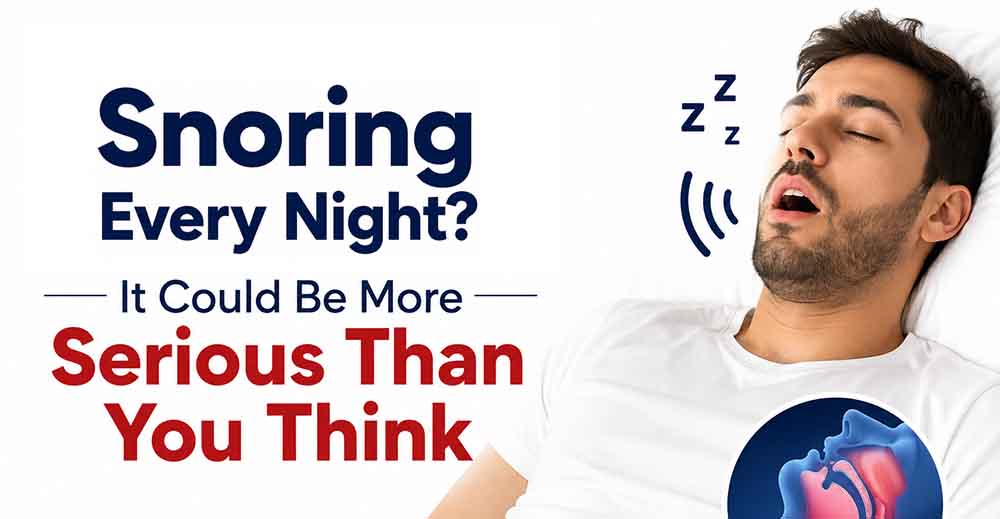
Snoring Every Night? It Could Be More Serious Than You Think
Snoring is often considered a normal part of sleep, and many people ignore it or joke about it. However, frequent or loud snoring can sometimes indicate a serious underlying sleep disorder, particularly obstructive sleep apnea (OSA). If you snore every night and still wake up feeling tired, it's important to understand that your body may not be getting the restful sleep it needs.
Snoring occurs when airflow is partially blocked as you breathe during sleep, causing the tissues in your throat to vibrate. While occasional snoring may result from allergies, nasal congestion, or sleeping on your back, persistent snoring should never be ignored, especially if it is accompanied by pauses in breathing, choking, or gasping for air.
Signs Your Snoring May Be a Health Concern
You should consider consulting a sleep specialist if you experience any of the following symptoms:
- Loud snoring almost every night
- Breathing pauses noticed by your partner
- Gasping or choking during sleep
- Excessive daytime sleepiness
- Morning headaches
- Dry mouth after waking up
- Difficulty concentrating
- Mood swings or irritability
- Poor memory and reduced productivity
- High blood pressure or existing heart problems
Why Early Diagnosis Matters
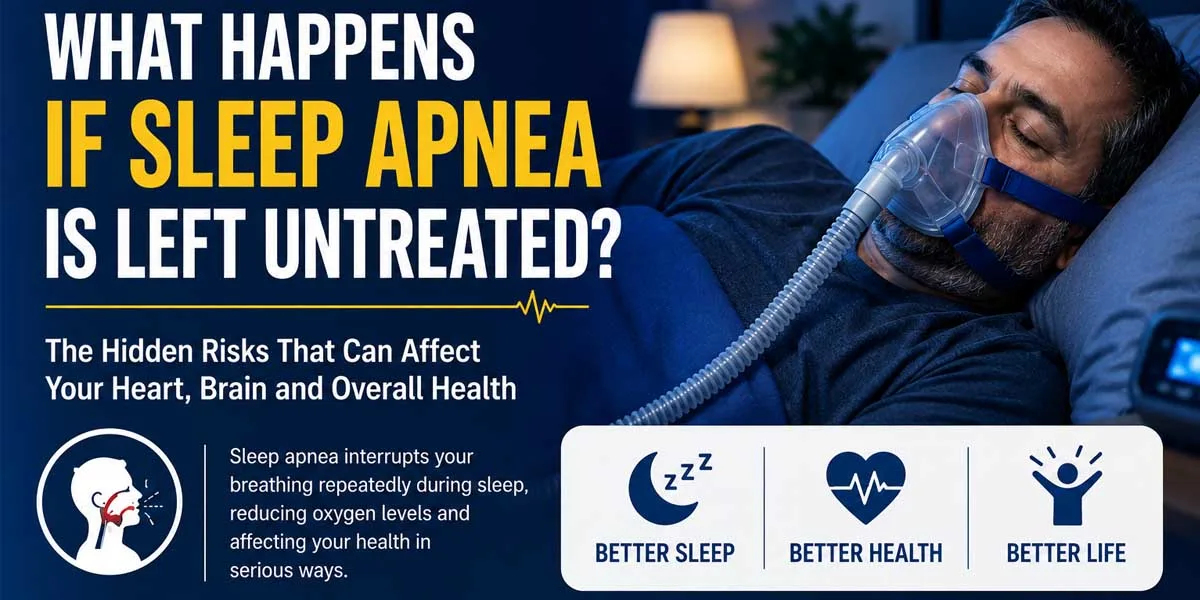
One of the biggest concerns associated with chronic snoring is obstructive sleep apnea. In this condition, the airway repeatedly collapses during sleep, reducing oxygen levels and forcing the brain to briefly wake the body to restore breathing. These interruptions may occur dozens or even hundreds of times each night, preventing deep, restorative sleep.
If left untreated, sleep apnea may increase the risk of several serious health conditions, including:
- High blood pressure
- Heart disease
- Stroke
- Type 2 diabetes
- Irregular heart rhythm
- Depression and anxiety
- Reduced work performance
- Increased risk of road accidents due to daytime drowsiness
How a Sleep Test Can Help
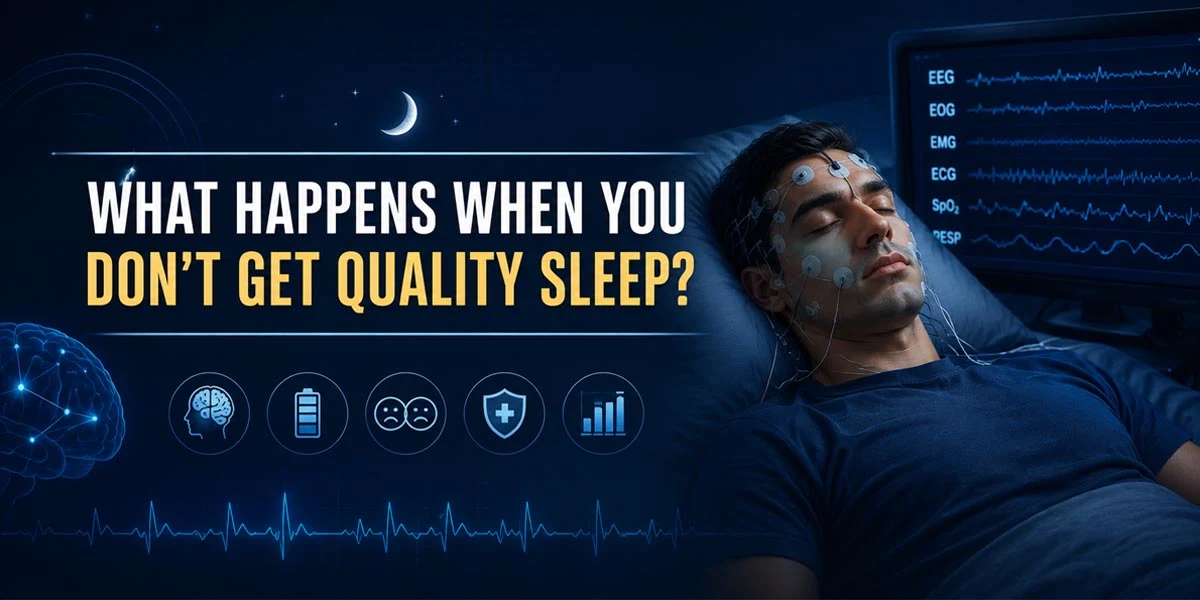
A sleep test (sleep study) is the most reliable way to diagnose sleep-related breathing disorders. During the test, important parameters such as breathing patterns, oxygen levels, heart rate, airflow, and sleep stages are monitored. Depending on your symptoms, your doctor may recommend an overnight laboratory sleep study or a convenient home sleep test.
The results help determine whether your snoring is caused by sleep apnea or another sleep disorder and guide the most appropriate treatment plan.
Treatment Options
Treatment depends on the severity and cause of the condition. Your healthcare provider may recommend:
- Weight management
- Sleeping on your side
- Avoiding alcohol before bedtime
- Treating nasal blockage or allergies
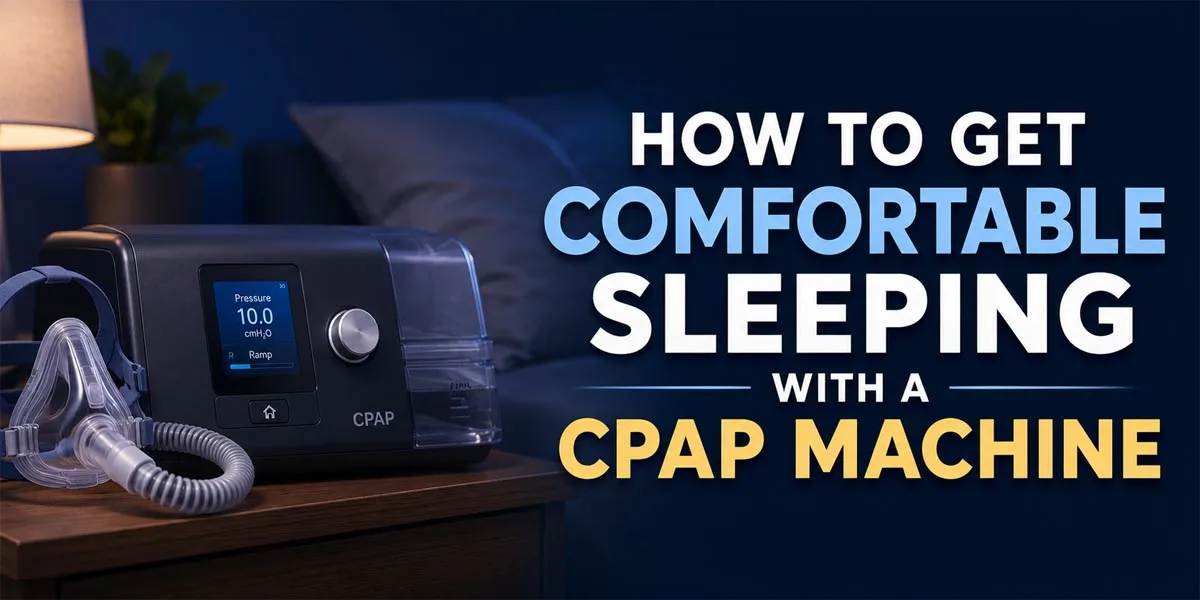
- CPAP therapy
- Oral appliances
- Lifestyle modifications
- Surgical treatment in selected cases
Early treatment not only reduces snoring but also improves sleep quality, energy levels, concentration, and overall health.
Snoring every night is more than just a disturbance for your partner—it may be your body's way of warning you about a serious sleep disorder. If your snoring is persistent or accompanied by daytime fatigue, breathing pauses, or other symptoms, don't ignore it. A timely sleep evaluation can lead to early diagnosis, effective treatment, and better long-term health. Healthy sleep is essential for a healthy life, and addressing chronic snoring is the first step toward achieving both.
Categories
Recent Posts
Book Your Sleep Study Today
Diagnose sleep disorders from the comfort of your home with our expert sleep study and CPAP rental services.
Book Now