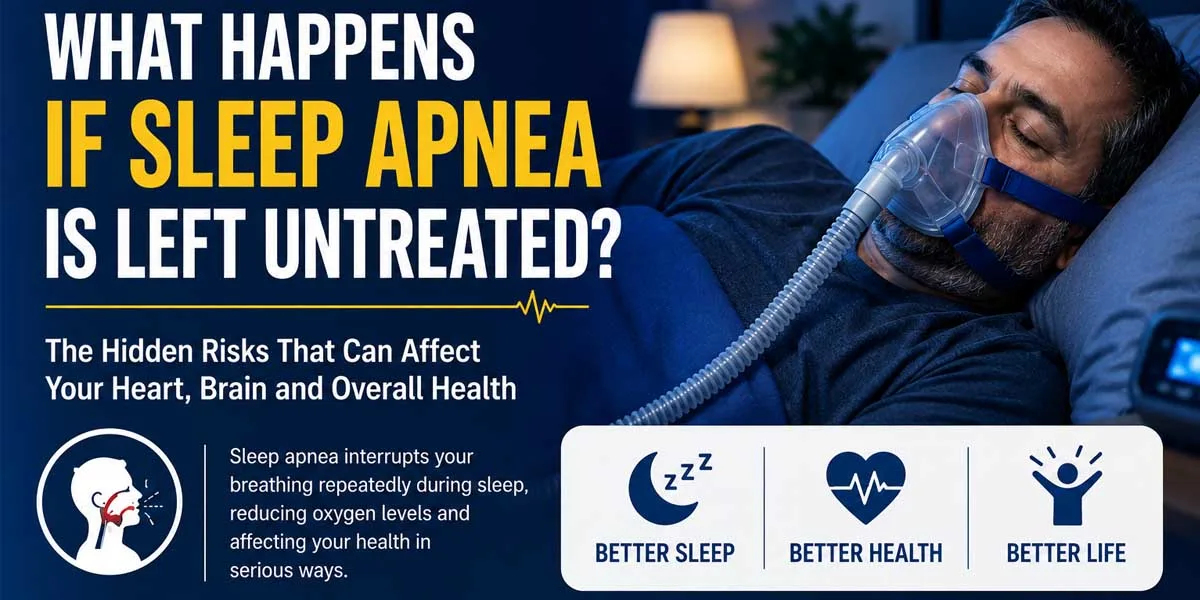
What Happens If Sleep Apnea Is Left Untreated? Understanding the Hidden Risks
Sleep is essential for your body's repair, brain function, and overall well-being. However, millions of people unknowingly suffer from sleep apnea, a condition that repeatedly interrupts breathing during sleep. Many people dismiss loud snoring or daytime fatigue as minor problems, but untreated sleep apnea can gradually affect nearly every organ in the body.
If left untreated, sleep apnea increases the risk of heart disease, stroke, diabetes, memory problems, depression, and even accidents caused by excessive daytime sleepiness. The good news is that early diagnosis through a sleep study test and appropriate treatment can significantly improve both health and quality of life.
This article explains what happens when sleep apnea is ignored, why early diagnosis matters, and when you should seek professional evaluation.
What Is Sleep Apnea?
Sleep apnea is a sleep disorder in which breathing repeatedly stops and starts during sleep. These breathing interruptions reduce oxygen levels and force the brain to briefly wake the body to restore normal breathing. Although these awakenings are often so brief that people don't remember them, they prevent restorative, deep sleep.
The most common types include:
- Obstructive Sleep Apnea (OSA): Caused by blockage of the upper airway.
- Central Sleep Apnea (CSA): The brain temporarily fails to send proper breathing signals.
- Complex Sleep Apnea Syndrome: A combination of both conditions.
What Happens If Sleep Apnea Is Left Untreated?
Ignoring sleep apnea doesn't simply result in poor sleep—it can have long-term consequences throughout the body.
1. Increased Risk of High Blood Pressure
Every breathing pause causes oxygen levels to drop. In response, the body releases stress hormones that tighten blood vessels and increase blood pressure.
Over time, untreated sleep apnea can contribute to:
- Persistent hypertension
- Difficulty controlling blood pressure with medication
- Increased strain on the cardiovascular system
Greater Risk of Heart Disease
The heart works harder when oxygen repeatedly drops during the night. Untreated sleep apnea has been linked to:
- Heart attacks
- Irregular heartbeat (arrhythmias)
- Heart failure
- Coronary artery disease
Continuous nighttime oxygen deprivation places significant stress on the heart over many years.
Higher Chance of Stroke
Repeated oxygen deprivation and elevated blood pressure increase the likelihood of stroke. People with moderate to severe sleep apnea have a considerably higher risk of cerebrovascular events compared to individuals without the condition.
4. Poor Diabetes Control
Sleep apnea affects the body's ability to regulate blood sugar by increasing insulin resistance.
Untreated sleep apnea may lead to:
- Higher blood glucose levels
- Poor diabetes management
- Increased risk of developing Type 2 diabetes
Chronic Daytime Fatigue
Interrupted sleep prevents the brain from completing normal sleep cycles.
Common symptoms include:
- Constant tiredness
- Morning headaches
- Lack of concentration
- Reduced productivity
- Low energy throughout the day
Many people mistakenly believe these symptoms are simply part of aging or a busy lifestyle.
Memory and Cognitive Problems
Quality sleep is essential for learning, concentration, and memory.
Without treatment, sleep apnea may contribute to:
- Forgetfulness
- Poor decision-making
- Difficulty focusing
- Reduced work performance
- Slower reaction times
Long-term sleep deprivation can significantly affect overall cognitive health.
Depression and Mood Disorders
Poor sleep affects emotional regulation.
Untreated sleep apnea is associated with:
- Depression
- Anxiety
- Mood swings
- Irritability
- Reduced motivation
Many patients notice improved mood after successful sleep apnea treatment.
Increased Risk of Road and Workplace Accidents
Excessive daytime sleepiness is one of the most dangerous consequences of untreated sleep apnea.
Individuals may:
- Fall asleep while driving
- Have slower reaction times
- Make workplace errors
- Experience reduced alertness during important tasks
This significantly increases the risk of motor vehicle and occupational accidents.
Weight Gain and Metabolic Problems
Sleep deprivation alters hormones that control hunger and fullness.
This often leads to:
- Increased appetite
- Sugar cravings
- Weight gain
- Difficulty losing weight
Excess weight can further worsen sleep apnea, creating a harmful cycle.
Reduced Quality of Life
Untreated sleep apnea affects more than physical health.
Many patients experience:
- Poor sleep quality
- Reduced exercise capacity
- Lower work performance
- Relationship problems due to loud snoring
- Sexual dysfunction
- Decreased overall well-being
Common Warning Signs You Should Never Ignore
Consider a professional sleep evaluation if you experience:
- Loud, chronic snoring
- Pauses in breathing witnessed by others
- Gasping or choking during sleep
- Morning headaches
- Dry mouth upon waking
- Excessive daytime sleepiness
- Difficulty concentrating
- Frequent nighttime awakenings
- High blood pressure that is difficult to control
Who Is at Higher Risk?
Several factors increase the likelihood of developing sleep apnea:
- Obesity
- Large neck circumference
- Age over 40
- Family history
- Smoking
- Alcohol consumption before bedtime
- Nasal obstruction
- Diabetes
- High blood pressure
However, sleep apnea can also occur in younger adults, women, and individuals with a normal body weight.
How Is Sleep Apnea Diagnosed?
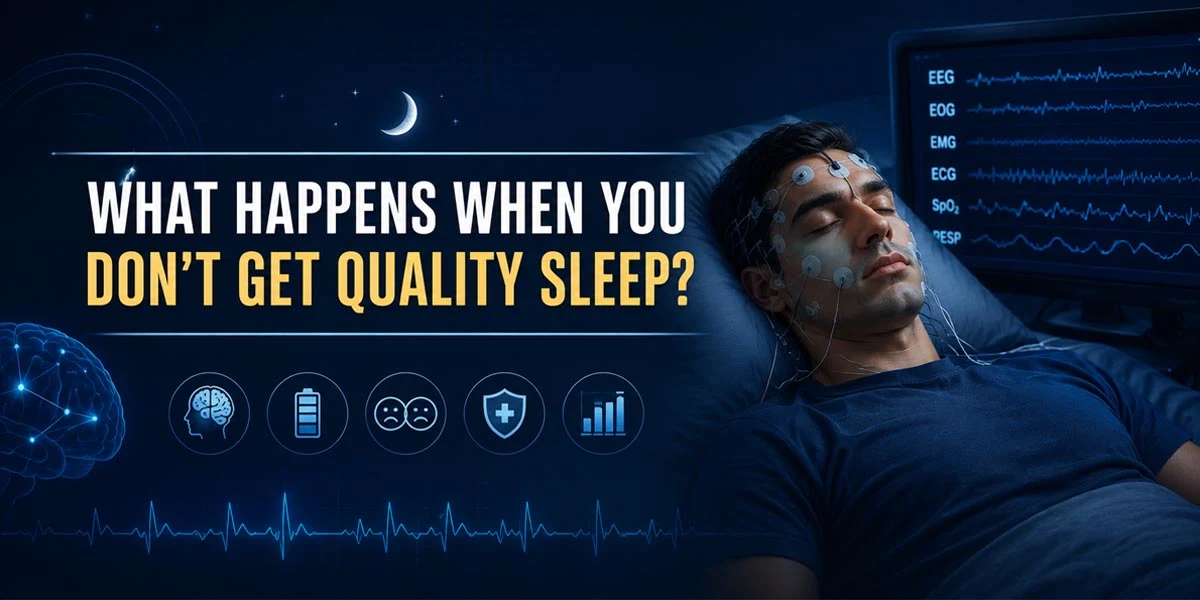
The most reliable way to diagnose sleep apnea is through a sleep study tests (Polysomnography) or an approved home sleep study, depending on your symptoms and medical history.
During the study, specialists monitor:
- Breathing patterns
- Oxygen levels
- Heart rate
- Brain activity
- Body movements
- Sleep stages
The results help determine the severity of the condition and guide the most appropriate treatment plan.
Treatment Can Improve Your Health
The encouraging news is that sleep apnea is highly treatable.
Depending on severity, treatment options may include:
- CPAP therapy
- BiPAP therapy
- Weight management
- Positional sleep therapy
- Oral appliances
- Lifestyle modifications
- Surgical treatment in selected cases
Early treatment often leads to better sleep, improved energy, lower cardiovascular risk, and enhanced overall quality of life.
Untreated sleep apnea is far more than a nighttime breathing problem—it is a chronic medical condition that can affect the heart, brain, metabolism, mood, and overall quality of life. Early diagnosis through a sleep study test and timely treatment can prevent serious complications, restore restful sleep, and improve long-term health.
If you or a loved one experiences persistent snoring, interrupted breathing, or excessive daytime fatigue, don't ignore the warning signs. Seeking professional evaluation today can lead to healthier sleep and a healthier future.
Frequently Asked Questions (FAQs)
Can untreated sleep apnea shorten life expectancy?
Severe untreated sleep apnea may increase the risk of serious cardiovascular complications that can affect long-term health and survival.
Is snoring always a sign of sleep apnea?
No. While loud snoring is a common symptom, not everyone who snores has sleep apnea. A sleep study is needed for an accurate diagnosis.
Can sleep apnea go away on its own?
In most cases, sleep apnea requires medical evaluation and appropriate treatment. Lifestyle changes may help some individuals but should not replace professional assessment.
How soon should I get tested?
If you experience loud snoring, excessive daytime sleepiness, or witnessed breathing pauses during sleep, you should schedule a sleep evaluation as soon as possible.
Categories
Recent Posts

Book Your Sleep Study Today
Diagnose sleep disorders from the comfort of your home with our expert sleep study and CPAP rental services.
Book Now